
Packaging Guidelines
Pack Your Shipment Safely and Securely
📦 General Packaging
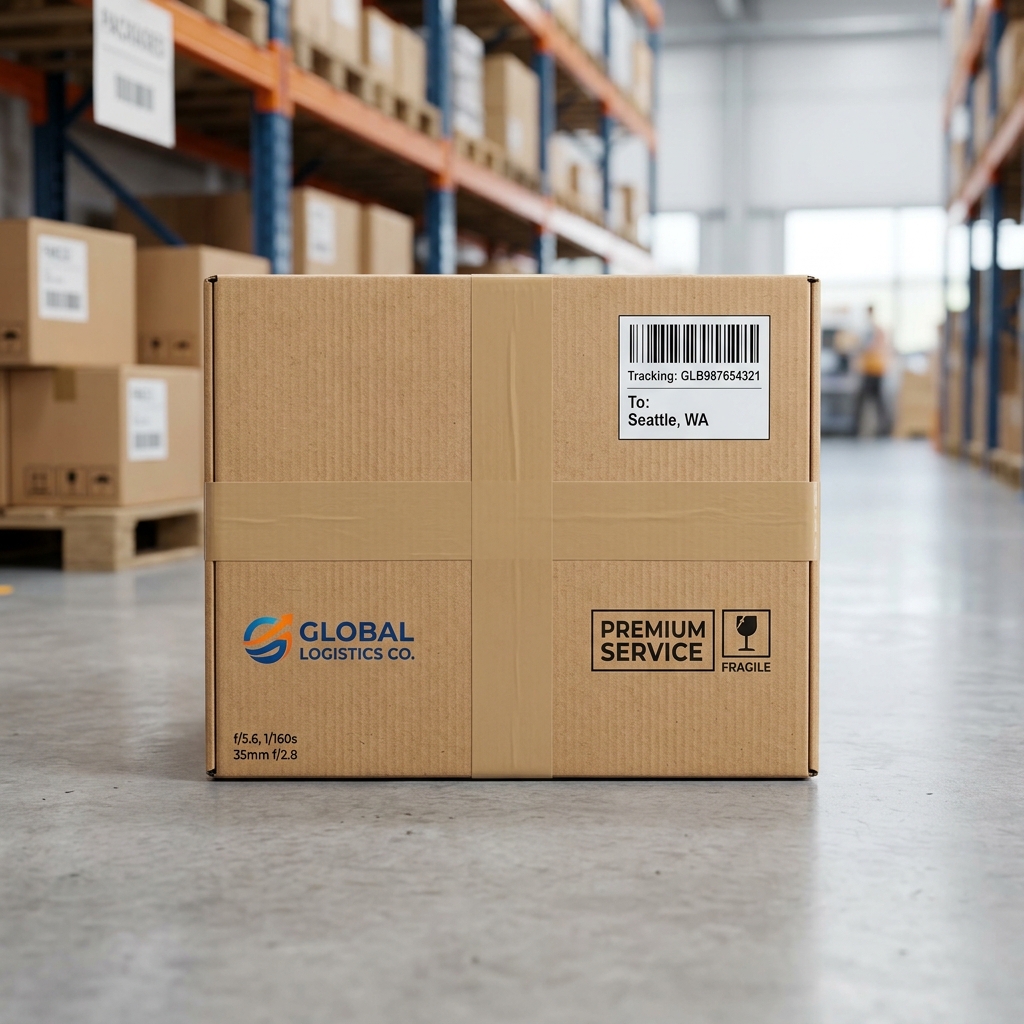
Use a new, sturdy corrugated box. Ensure there is enough space for cushioning material.
DOs
- Use H-taping method for sealing
- Remove old shipping labels
- Use proper cushioning (bubble wrap, peanuts)
DON'Ts
- Don't use string or twine
- Don't use damaged or reused boxes
- Don't overpack or underpack the box
📄 Documents & Paperwork
📄
Documents should be protected from moisture and bending during transit.
DOs
- Use rigid cardboard envelopes
- Place documents in waterproof plastic sleeves
- Seal flaps securely with strong tape
DON'Ts
- Don't use standard paper envelopes for international shipping
- Don't fold important certificates or blueprints
- Don't overstuff the envelope
💻 Electronics
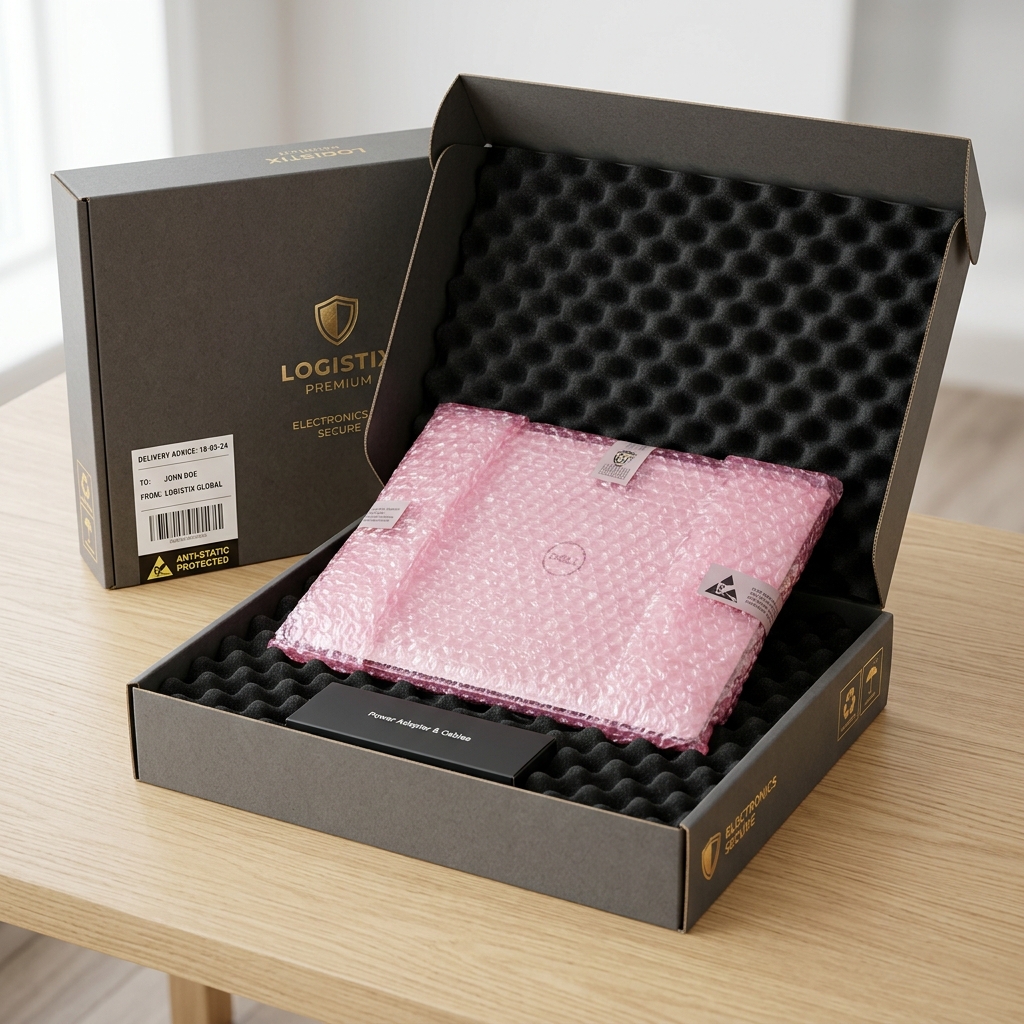
Electronic devices require anti-static packaging and heavy cushioning to prevent shock damage.
DOs
- Use original manufacturer packaging if available
- Use anti-static bubble wrap
- Provide accurate invoice and value
DON'Ts
- Don't use loose polystyrene peanuts
- Don't ship devices turned on
- Don't let items touch the outer box walls
⚙️ Heavy Machinery & Parts
🏗️
Heavy items require reinforced packaging to distribute weight evenly.
DOs
- Use wooden crates or double-walled corrugated boxes
- Secure items to a pallet if over 70kg
- Use strong strapping or banding
DON'Ts
- Don't use standard boxes for items over 30kg
- Don't leave sharp edges exposed
- Don't forget weight/balance labeling
💧 Liquids
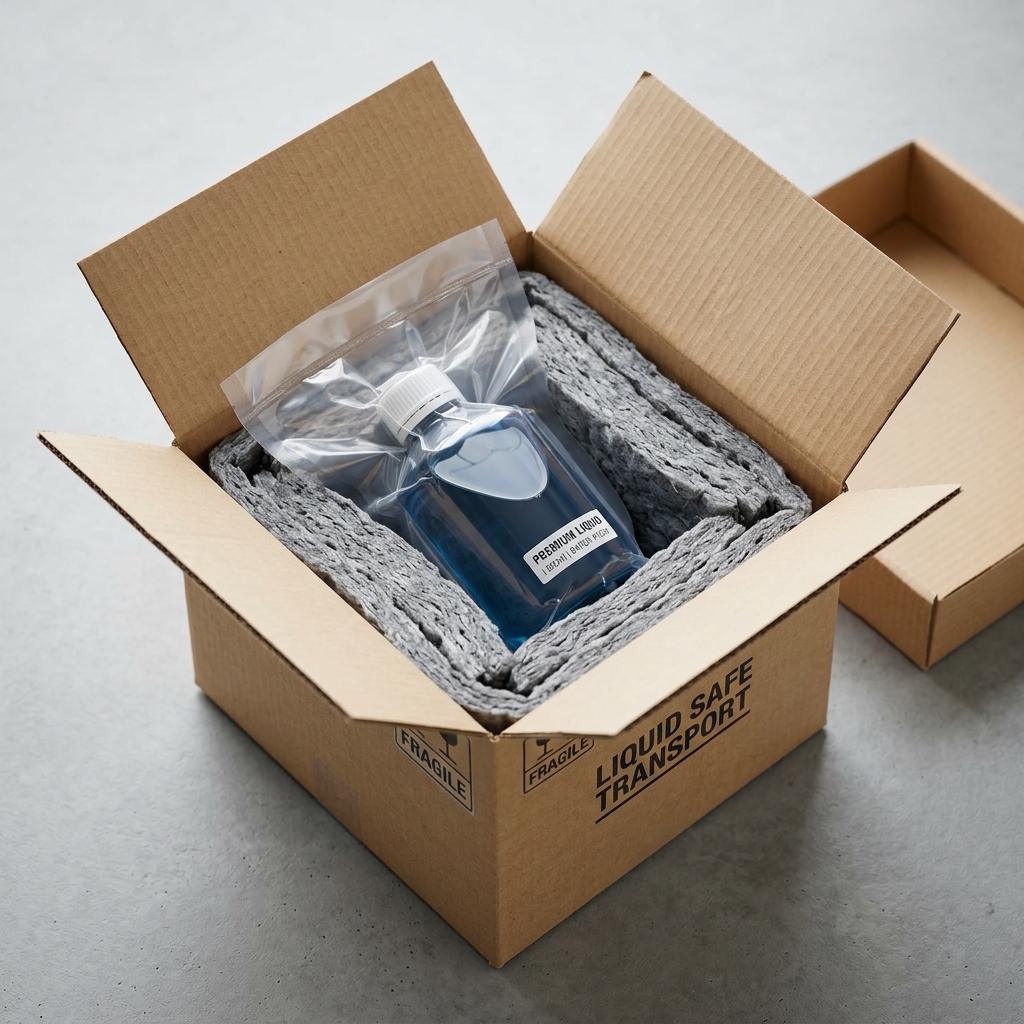
Liquids must be secured against leaks and pressure changes during transit.
DOs
- Ensure lids are tightened and taped securely
- Place liquid containers in leak-proof plastic bags
- Use absorbent material around the container
DON'Ts
- Don't ship prohibited liquids (flammable/corrosive)
- Don't leave empty space in the box
- Don't pack heavy liquids with fragile items
🍷 Glassware & Fragile Items
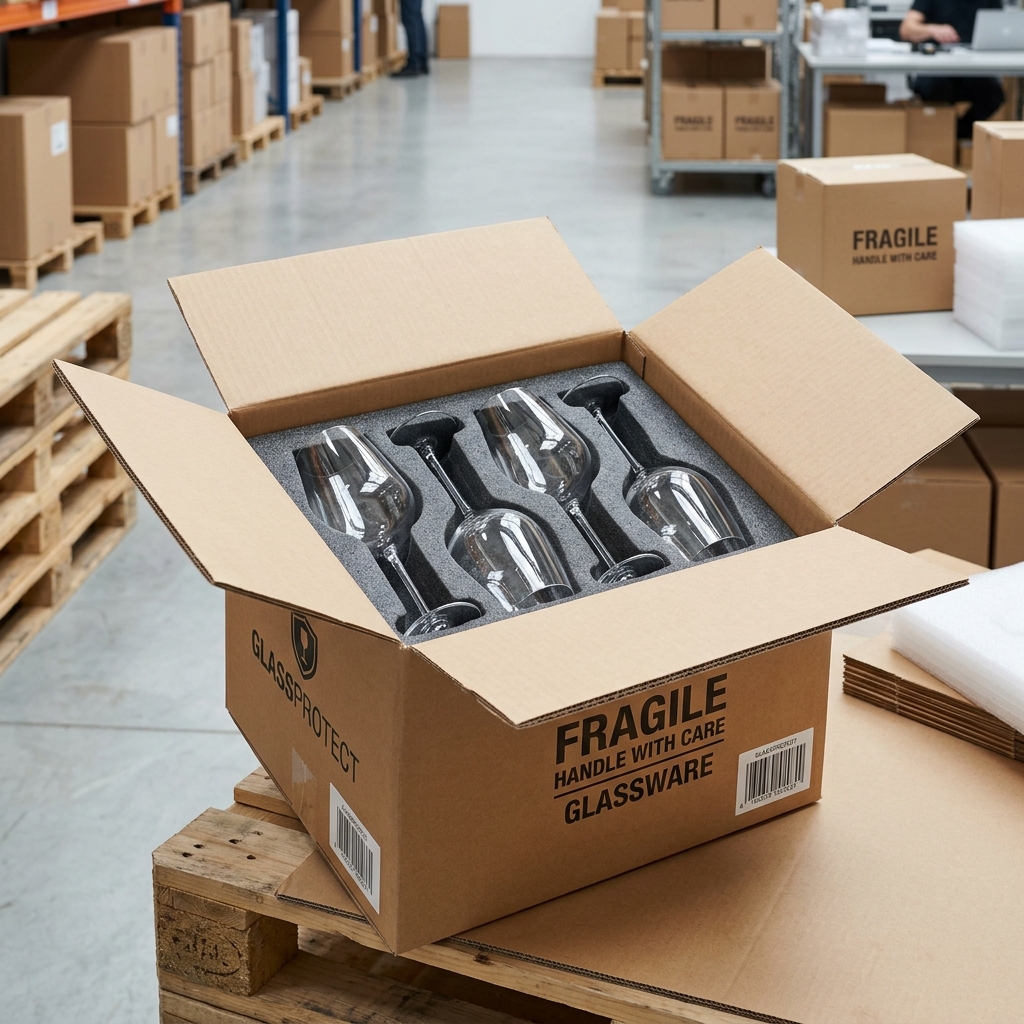
Fragile items must be individually wrapped and suspended in the center of the box.
DOs
- Wrap items individually in bubble wrap (min 2 inches)
- Use the double-boxing method (box-in-box)
- Fill all empty spaces with void fill
DON'Ts
- Don't let fragile items touch each other
- Don't use newspaper as primary cushioning
- Don't forget to add "Fragile" stickers